what puts you at risk for type 2 diabetes Diabetes type risk assessment
Living a healthy life involves a combination of things like eating right, exercising regularly, and managing stress. Unfortunately, many of us do not take our health seriously until we have received an unfavorable diagnosis from the doctor. One such diagnosis that is on the rise is that of Type 2 diabetes. Type 2 diabetes is a chronic condition that affects how your body processes glucose, leading to high blood sugar levels. In this article, we will discuss what Type 2 diabetes is, the risk factors involved, and how you can reduce your risk of developing the condition. Type 2 diabetes is the most common form of diabetes and is characterized by the body’s resistance to insulin. Insulin is a hormone that is responsible for regulating blood sugar levels in the body. When the body becomes resistant to this hormone, it is unable to use insulin effectively, leading to high blood sugar levels. This can lead to a variety of complications like nerve damage, kidney damage, and even blindness. Several factors can increase your risk of developing Type 2 diabetes. These include a family history of the condition, being overweight or obese, being physically inactive, and having high blood pressure or cholesterol levels. Additionally, people who have a history of gestational diabetes during pregnancy or have been diagnosed with prediabetes are also at increased risk. If left unchecked, Type 2 diabetes can have a major impact on your quality of life and can even be life-threatening. However, the good news is that there are several steps you can take to reduce your risk of developing the condition. The first step is to make lifestyle changes like eating a healthy diet and being physically active. This can help you lose weight, improve your blood pressure and cholesterol levels, and make your body more sensitive to insulin. Another important step is to get screened regularly for diabetes, especially if you have any of the risk factors discussed above. This can involve a simple blood test that measures your blood sugar levels. If you are diagnosed with diabetes, it is important to work closely with your healthcare team to manage your condition. This may involve taking medications like insulin, monitoring your blood sugar levels regularly, and making continued lifestyle changes. In conclusion, Type 2 diabetes is a serious condition that can have significant impacts on your health. However, by taking steps like eating a healthy diet, being physically active, and getting screened regularly, you can reduce your risk of developing the condition. It is never too early or too late to start making positive changes for your health, so make the commitment today.
If you are searching about How Exercise Can Contribute To Reducing The Risk of Type 2 Diabetes you’ve came to the right web. We have 5 Pics about How Exercise Can Contribute To Reducing The Risk of Type 2 Diabetes like Are You At Risk of Type 2 Diabetes? – Unity Care NW, Type 2 Diabetes | Healthy Delaware and also ‘Know your risk’ of Type 2 diabetes - Live Well Greenwich. Here you go:
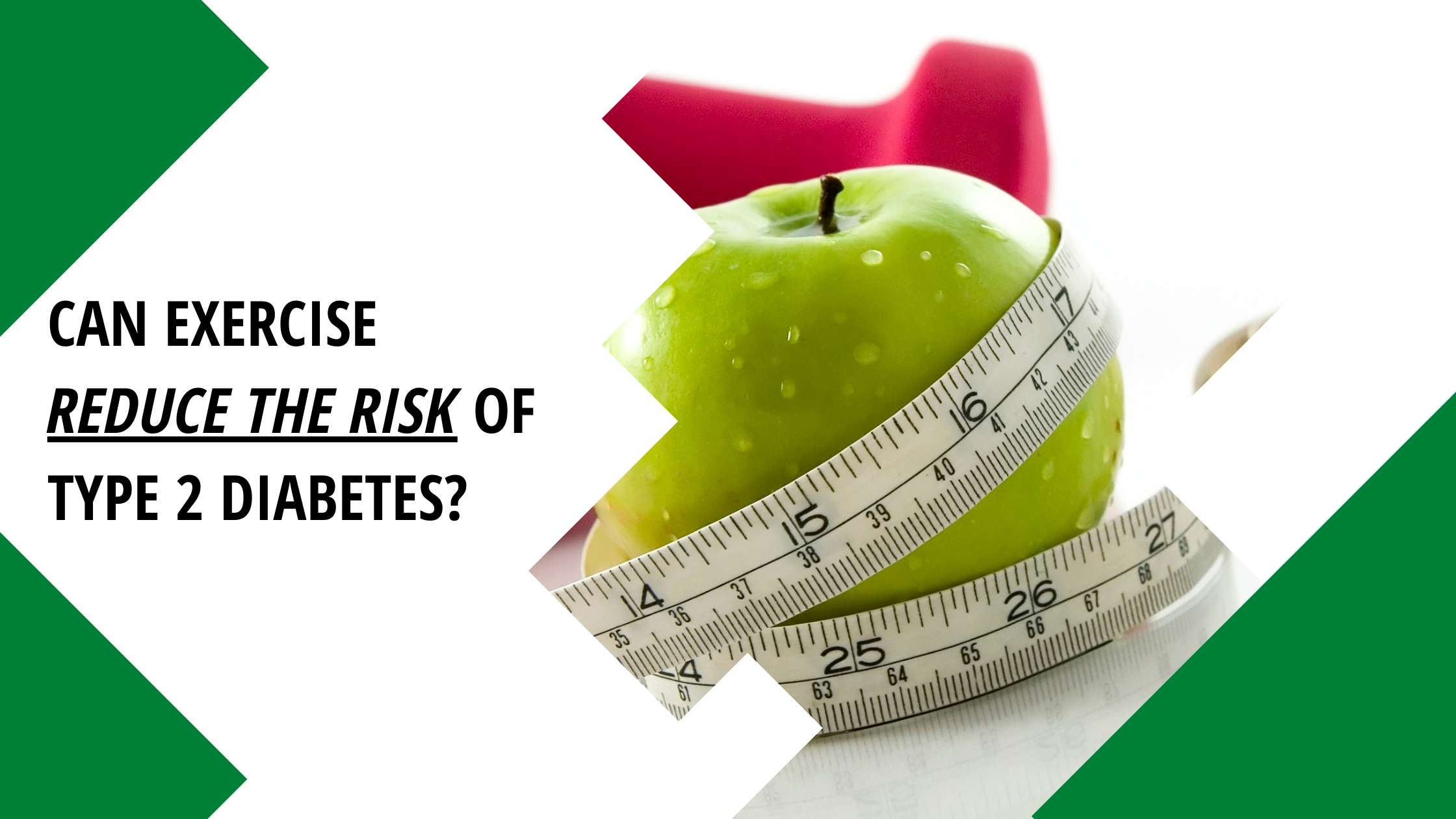
How Exercise Can Contribute To Reducing The Risk Of Type 2 Diabetes
 www.lowcarbfoods.comreducing contribute
Type 2 Diabetes | Healthy Delaware
 healthydelaware-staging.azurewebsites.netdiabetes type risk assessment
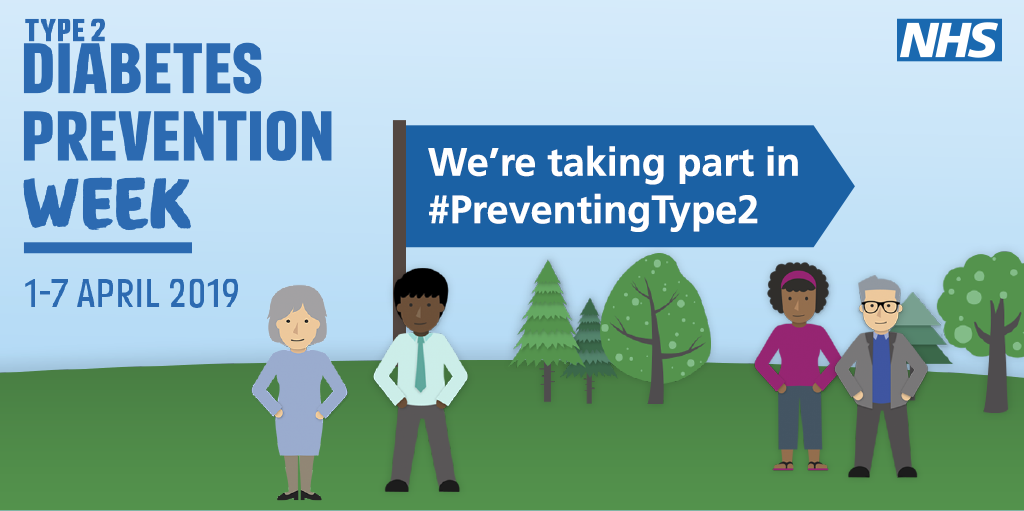
‘Know Your Risk’ Of Type 2 Diabetes - Live Well Greenwich
 livewellgreenwich.org.ukdiabetes type risk know finds someone minutes every they two greenwich
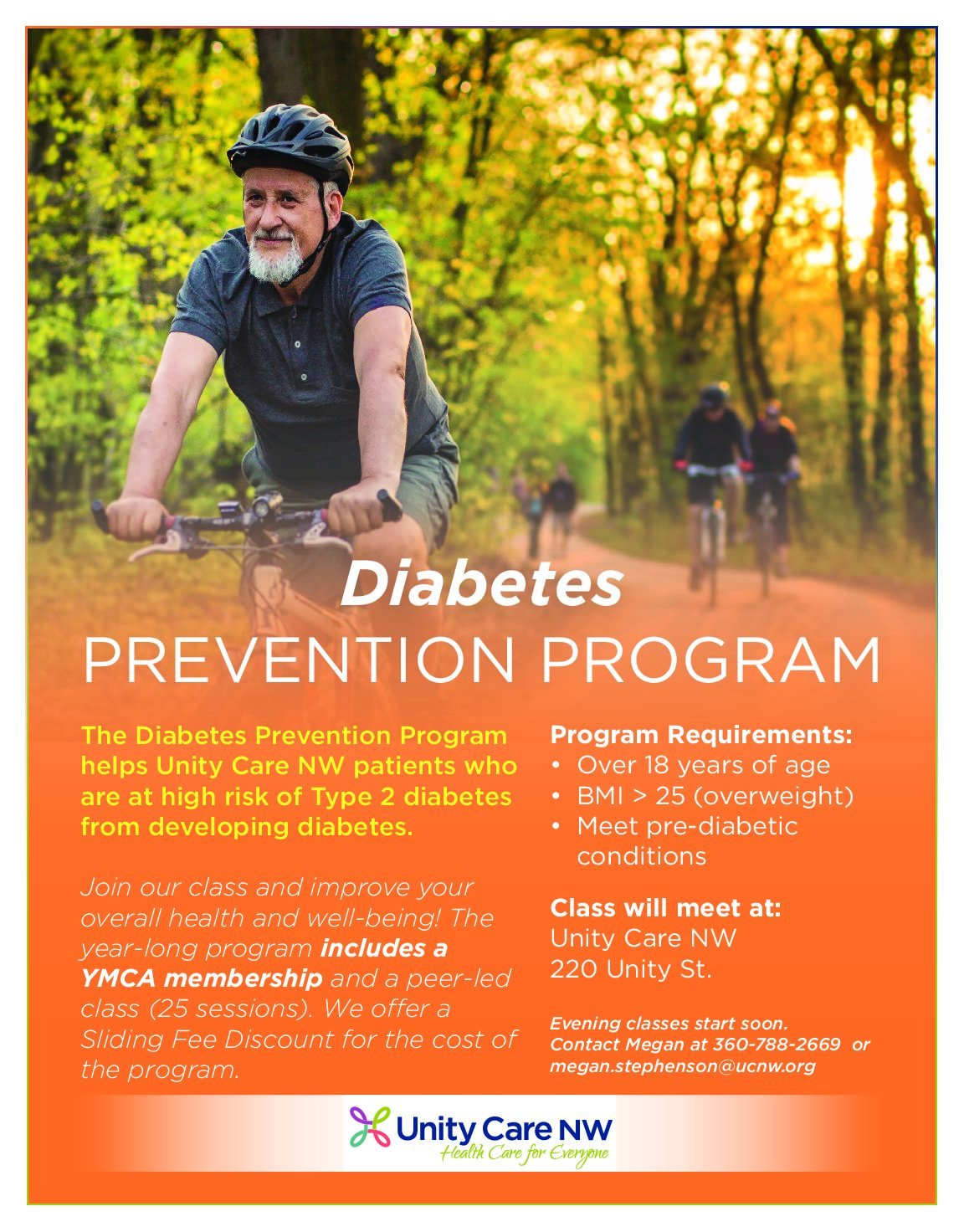
Are You At Risk Of Type 2 Diabetes? – Unity Care NW
 unitycarenw.orgdiabetes type risk flyer program prevention ymca nw unity care
Are You At Risk For Type 2 Diabetes? Find Out – For Free
 www.wtvr.comrisk
Are you at risk of type 2 diabetes? – unity care nw. Type 2 diabetes. Diabetes type risk assessment